Explore
Plants
- Crystal Springs Foundation
- 5
- Explore
- 5
- Plants
The Key to the Preserve
These icons will help identify where certain plants can be found at Crystal Springs Preserve and what animals benefit from them.

Native
Originating in a particular place and not introduced by humans.
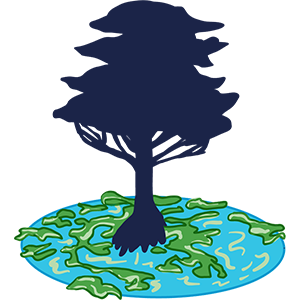
Wetland Habitat
An area where the land is saturated with water, either permanently or seasonally. Examples include swamps, marshes, and bogs.

Hammock Habitat
A type of upland habitat that is often higher than the surrounding land with humus rich soil and hardwood trees including oaks, sweetgums, hickories, and palms. They are commonly found in Florida and other tropical or subtropical regions.
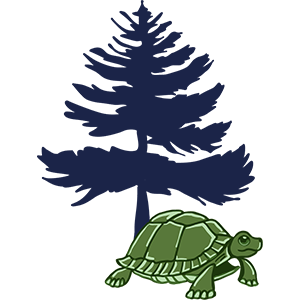
Upland Habitat
An area of land that is not regularly saturated with water. It can include forests, grasslands, and deserts.
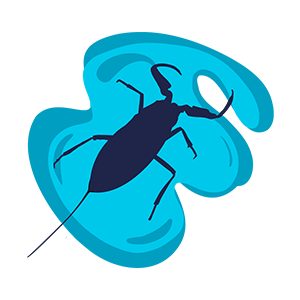
Insects
A class of invertebrates characterized by a segmented body, jointed legs, and an exoskeleton. Examples include butterflies, beetles, and ants.

Reptile
A class of vertebrates characterized by scaly skin, cold-bloodedness with most laying their eggs outside of their bodies. Examples include alligators, snakes, lizards, and turtles.
Birds
A class of vertebrates characterized by feathers, wings, and beaks. They are the only animals with feathers.
Mammals
A class of vertebrates characterized by hair or fur, mammary glands, and warm-bloodedness. Examples include humans, dogs, and cats.

Amphibians
A class of vertebrates characterized by a life cycle that includes both aquatic and terrestrial stages. Examples include frogs, toads, and salamanders.

Fish
A class of aquatic vertebrates characterized by gills, fins, and scales. They are the most diverse group of vertebrates.
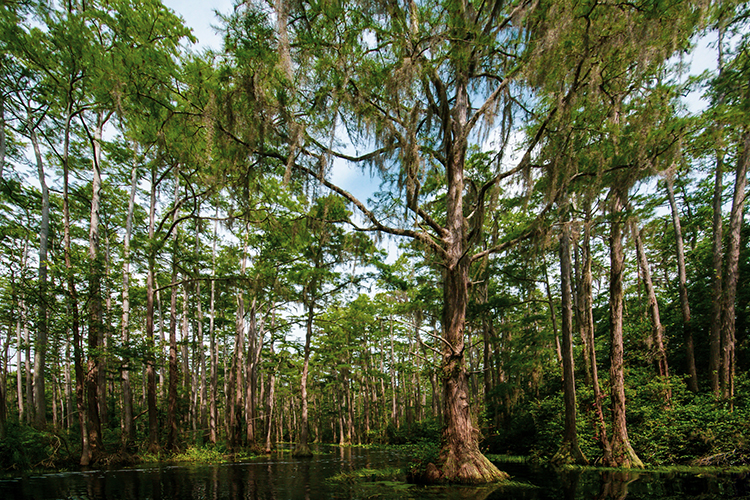
Bald Cypress
Taxodium distichum


The Bald Cypress is a wetland tree that is characterized by its needlelike leaves and cypress knees that are a part of the root system that can be seen above ground. Bald Cypress can live at least 600 years and some up to 1000 years. These trees provide nesting areas for wading birds like herons and egrets. They are also a host plant for the Sphinx Moth.

Baton Rouge Lichen
Cryptothecia rubrocincta


Lichen are organisms that rely on each other for survival. Lichen consists of a fungus and algae that cannot live without each other. The algae provide the food and the fungus provide water and structure. It is a symbiotic relationship. Lichen can be spotted on trunks of trees such as Live Oaks and Sweet Gums. Lichen provides building material for hummingbirds’ nests. Some insects use the lichen to blend in with and hide from predators.
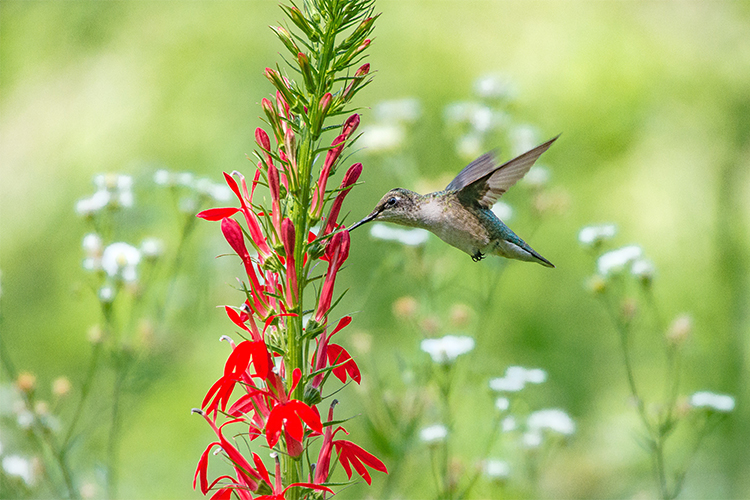
Cardinal Flower
Lobelia cardinalis

Cardinal flower is aptly named for is bright red cardinal color. The red flower attracts hummingbirds looking for nectar. Hummingbirds and Swallowtail Butterflies are attracted to this plant.
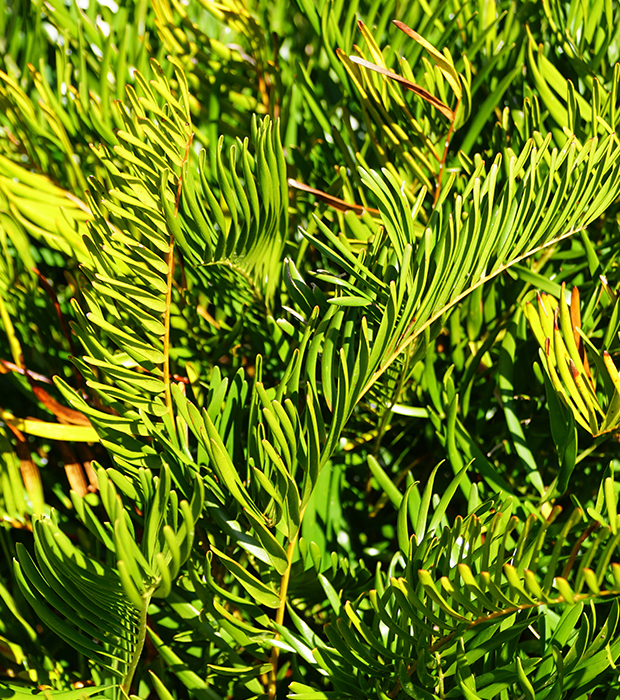
Coontie
Zamia integrifolia


This plant is a longtime native shrub of Florida and was carefully processed and used by the Calusas, Timucuas, and Seminoles as a source of flour. This plant and orange seed is toxic. The plant is characterized by its large waxy fern-like leaves. It is a shade plant for lizards and snakes. Coontie is also a host plant for the Echo Moth.
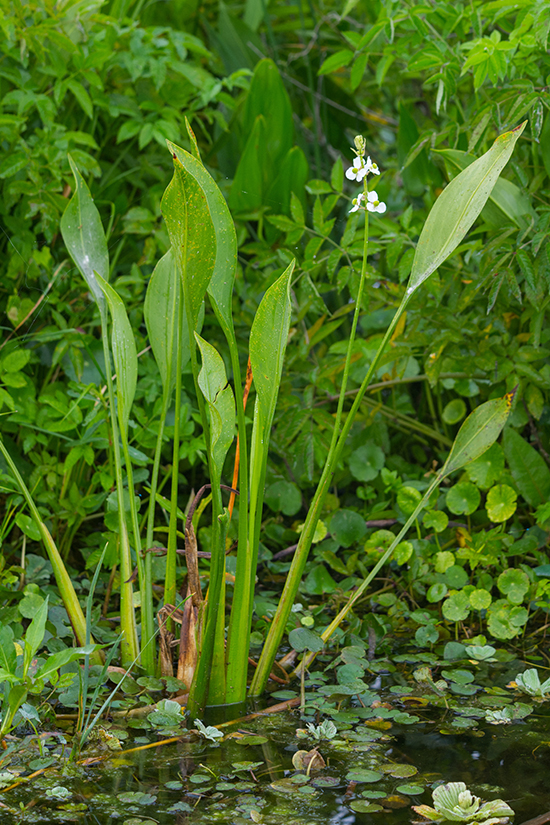
Duck Potato
Sagittaria lancifolia


This aquatic plant has a small white flower containing three petals and bright yellow seeds in the middle that ducks enjoy eating. It is a food source for waterfowl, wading birds, and songbirds. Pollinators are also attracted to this plant.

Florida Red Maple
Acer rubrum distichum


This native tree, also known as “swamp maple ”, has leaves that turn a beautiful range of red colors during the fall and winter season in Florida. The seeds are a food source mainly for squirrels. The tree is a host plant for various moths such as the Imperial Moth, Cecropia Silkmoth, Polyphemus Moth and Rosy Maple Moth. The Red Maple also attracts bees.
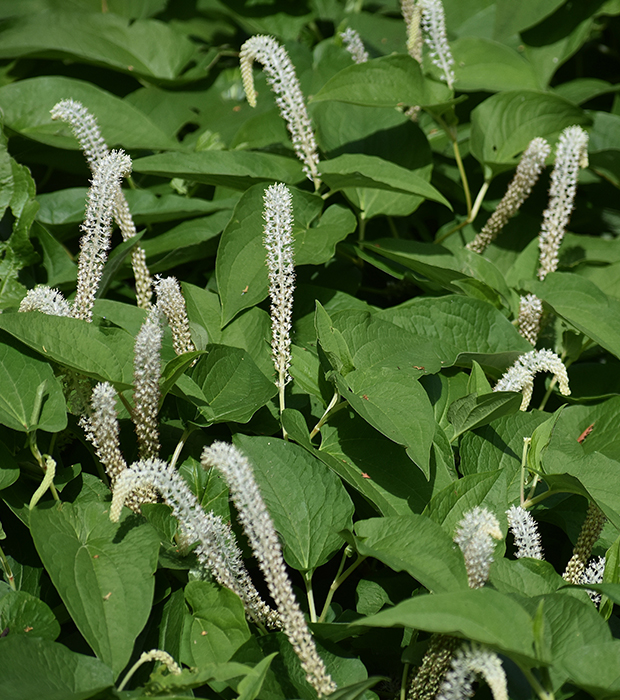
Lizard Tail
Saururus cernuus

This aquatic plant produces a bunch of tiny white fragrant flowers that grow on a curved stalk that resembles the look of a lizards’ tail. Wood Ducks and some birds use this plant as a food source. It also provides nectar for insects and the Hairstreak Butterfly.

Long Leaf Pine
Pinus palustris


This pine tree has long pine needles. It produces some of the largest pinecones in eastern North America. The endangered red-cockaded woodpecker loves to build its nest in mature tree cavities. Habitat loss of large, long leaf pine groves is a concern for this species of bird. Long leaf pines are also the habitat for the Indigo snake.
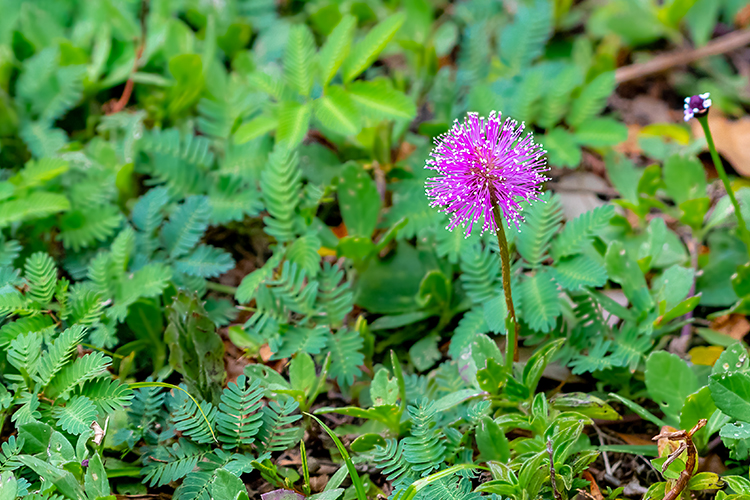
Mimosa Strigillosa
Mimosa strigillosa


This hot pink flowering plant is touch sensitive! Its leaves will close shut when touched, giving it a nickname as the “tickle plant ”. This process is known as thigmotropism. Mimosa strigillosa is a host plant for the Little Sulphur Butterfly. Deer will also eat the leaves of the plant. This plant is also referred to as the “powderpuff” plant.
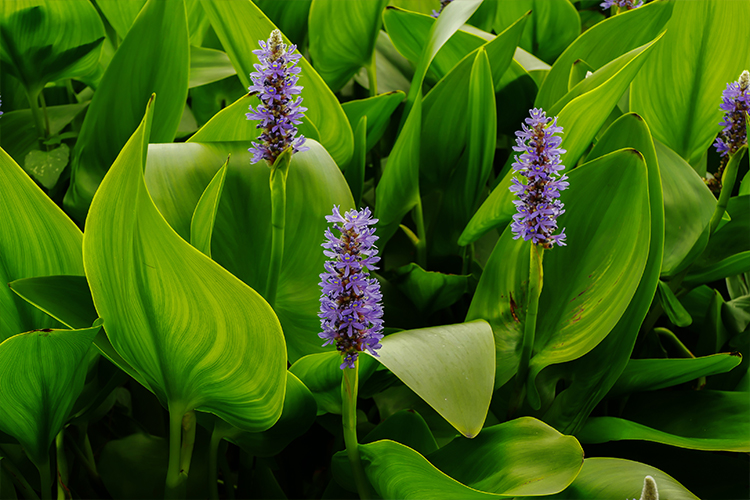
Pickerel Weed
Pontederia cordata


This aquatic plant can easily be identified by its purple cone shaped flower and lance shaped leaves. It thrives in shallow waters. It is a food source for ducks. Butterflies and bees are also attracted to this plant. It’s a great habitat for snakes, fish and frogs.
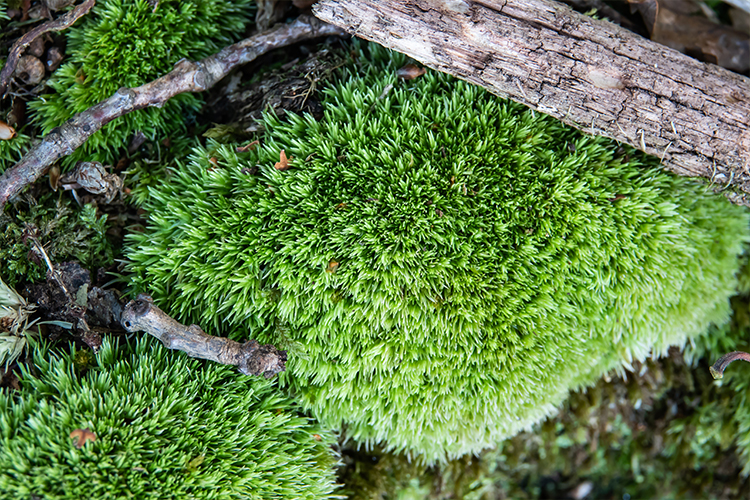
Pincushion Moss
Leucobryum albidum


This moss is enchanting and feels spongy to the touch when moisture is available. It can also be called carpet moss because it can blanket the forest floor like a carpet. Some small animals will look under the moss for insects. It also provides shelter for insects.
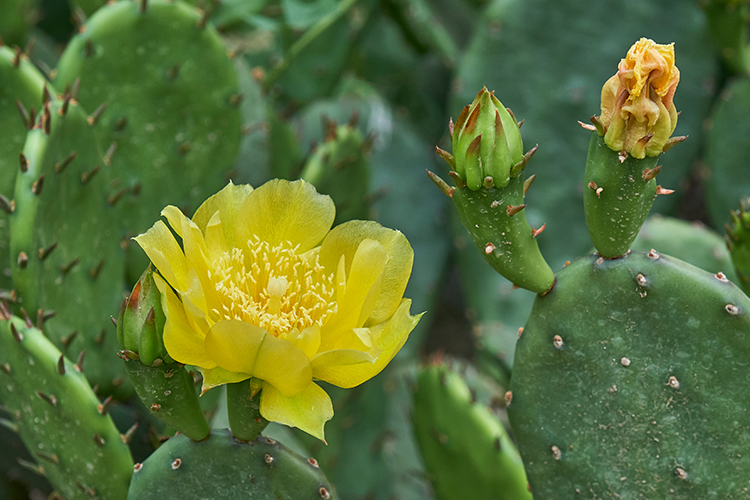
Prickly Pear Cactus
Opuntia spp.


This cactus has spiny pear-shaped fruit that gopher tortoises love to eat. Its flower is large and yellow. Gopher tortoises feed on the pads and fruit. It is also a nectar plant for Meske’s Slipper Butterflies.
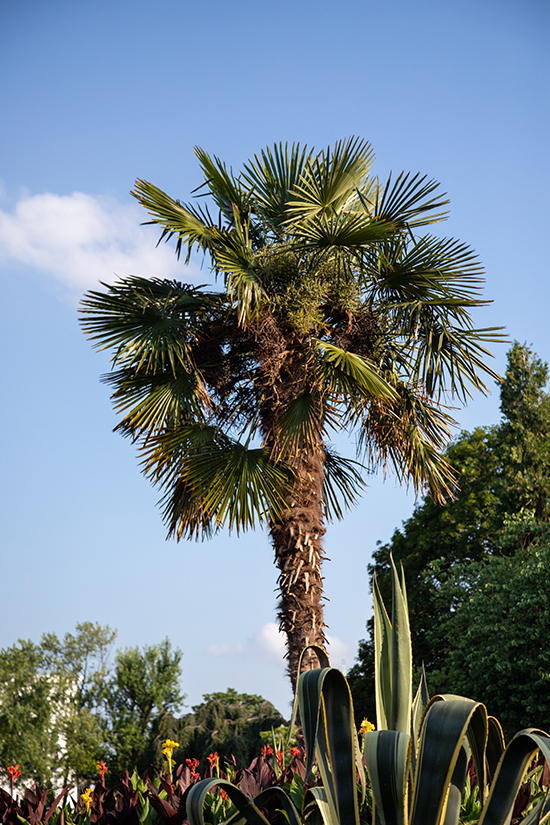
Sabal Palmetto
Sabal palmetto


The Sabal Palmetto is the Florida State Tree. It is commonly called the “cabbage palm". Interestingly, it is not a true tree and is considered a grass because it has no branches or woody trunk. It is a roosting habitat for Yellow Bats. Seeds are eaten by small mammals. The Sabal Palmetto is a host plant for the Monk Skipper Butterfly.

Shoestring Fern
Vittaria lineata
This fern can be spotted sprouting out of the trunk of Sabal Palmettos. It is an epiphyte, meaning it is an air plant. It gets its food and water from the air. The fern fronds resemble long green strands of grass that look like shoelaces. The fern strands can grow to be a foot and a half long. The fern can be found in the boot of the Sabal Palmetto.
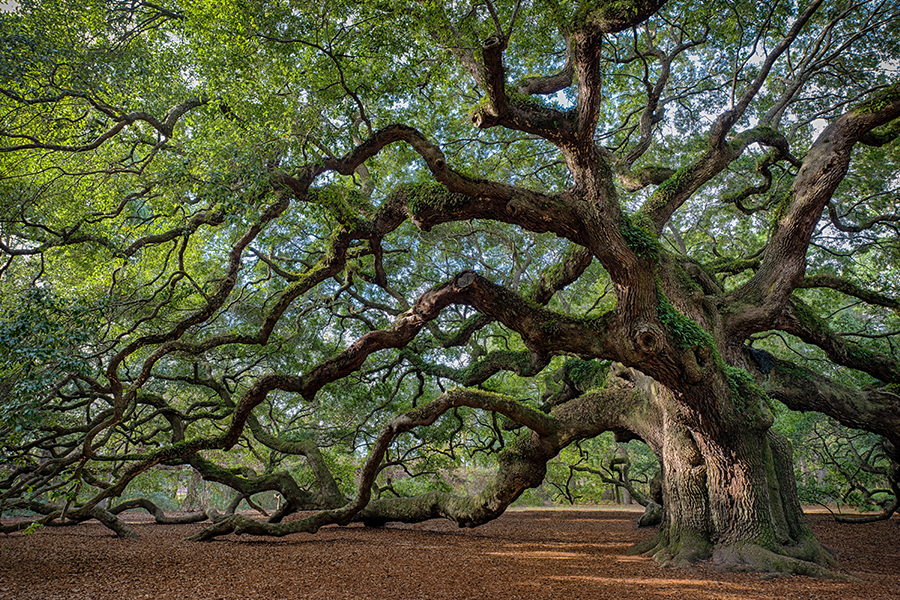
Southern Live Oak
Quercus virginiana


The Southern Live Oak tree is a majestic tree that has a very large trunk and known for its curving branches. Live Oaks are a hard wood, and many can live well over 250 years. Squirrels and birds use this tree for habitat. Acorns are a food source for many birds and mammals. It is also a host plant for butterflies like the Horace’s Duskywing and Red-banded Hairstreak.

Southern Magnolia
Magnolia grandiflora


The Southern Magnolia tree is noted for its broad waxy leaves and fragrant white blossoms. They also have a distinct seed cone with fuzzy red seeds. These seeds are a food source for squirrels, opossums, and turkey. Beetles are attracted to the pollen.

Spanish Moss
Magnolia grandiflora


This plant is not a moss; it is an epiphyte, an air plant. It can be found draped in the large branches of Live Oak Trees bearing the resembles of an old man’s beard. It has scales that are permeable to water and nutrients. Many insects use Spanish Moss as a protective cover. Zebra Longwing Butterflies have been spotted resting in Spanish Moss at night. Birds use the moss to help build their nests.

Spatterdock
Nuphar advena


This aquatic plant has a brightly colored yellow flower. It is a great habitat for fish, insects, and amphibians. It is a great covering for fish and frogs. Dragonflies and damselflies can be found resting on this plant. Bees, beetles and flies visit this plant. Great coverings for fish, frogs and alligators.

Swamp Lily
Crinum Americanum


This aquatic plant has a large white flower with six slender petals. It can be seen along riverbanks and if sniffed, it has a very fragrant smell. This lily can bloom year-round. The Sphinx Moth may pollinate the plant and it is a host plant for the Spanish Moth. Deer may also eat this plant.

Sweet Gum
Liquidambar styraciflua


The Sweet Gum tree can be easily identified by its star shaped leaves that have five points. This tree also has unique seed pods that look like spikey balls called “gum balls ”. The Sweet Gum tree provides shade and nesting for birds and animals. It is a host plant for the Luna Moth.
Bald Cypress
Taxodium distichum
The Bald Cypress is a wetland tree that is characterized by its needlelike leaves and cypress knees that are a part of the root system that can be seen above ground. Bald Cypress can live at least 600 years and some up to 1000 years. These trees provide nesting areas for wading birds like herons and egrets. They are also a host plant for the Sphinx Moth.
Baton Rouge Lichen
Cryptothecia rubrocincta
Lichen are organisms that rely on each other for survival. Lichen consists of a fungus and algae that cannot live without each other. The algae provide the food and the fungus provide water and structure. It is a symbiotic relationship. Lichen can be spotted on trunks of trees such as Live Oaks and Sweet Gums. Lichen provides building material for hummingbirds’ nests. Some insects use the lichen to blend in with and hide from predators.
Cardinal Flower
Lobelia cardinalis
Cardinal flower is aptly named for is bright red cardinal color. The red flower attracts hummingbirds looking for nectar. Hummingbirds and Swallowtail Butterflies are attracted to this plant.
Duck Potato
Sagittaria lancifolia
This aquatic plant has a small white flower containing three petals and bright yellow seeds in the middle that ducks enjoy eating. It is a food source for waterfowl, wading birds, and songbirds. Pollinators are also attracted to this plant.
Florida Red Maple
Acer rubrum distichum
This native tree, also known as “swamp maple ”, has leaves that turn a beautiful range of red colors during the fall and winter season in Florida. The seeds are a food source mainly for squirrels. The tree is a host plant for various moths such as the Imperial Moth, Cecropia Silkmoth, Polyphemus Moth and Rosy Maple Moth. The Red Maple also attracts bees.
Lizard Tail
Saururus cernuus
This aquatic plant produces a bunch of tiny white fragrant flowers that grow on a curved stalk that resembles the look of a lizards’ tail. Wood Ducks and some birds use this plant as a food source. It also provides nectar for insects and the Hairstreak Butterfly.
Pickerel Weed
Pontederia cordata
This aquatic plant can easily be identified by its purple cone shaped flower and lance shaped leaves. It thrives in shallow waters. It is a food source for ducks. Butterflies and bees are also attracted to this plant. It’s a great habitat for snakes, fish and frogs.
Pincushion Moss
Leucobryum albidum
This moss is enchanting and feels spongy to the touch when moisture is available. It can also be called carpet moss because it can blanket the forest floor like a carpet. Some small animals will look under the moss for insects. It also provides shelter for insects.
Sabal Palmetto
Sabal palmetto
The Sabal Palmetto is the Florida State Tree. It is commonly called the “cabbage palm". Interestingly, it is not a true tree and is considered a grass because it has no branches or woody trunk. It is a roosting habitat for Yellow Bats. Seeds are eaten by small mammals. The Sabal Palmetto is a host plant for the Monk Skipper Butterfly.
Shoestring Fern
Vittaria lineata
This fern can be spotted sprouting out of the trunk of Sabal Palmettos. It is an epiphyte, meaning it is an air plant. It gets its food and water from the air. The fern fronds resemble long green strands of grass that look like shoelaces. The fern strands can grow to be a foot and a half long. The fern can be found in the boot of the Sabal Palmetto.
Spanish Moss
Magnolia grandiflora
This plant is not a moss; it is an epiphyte, an air plant. It can be found draped in the large branches of Live Oak Trees bearing the resembles of an old man’s beard. It has scales that are permeable to water and nutrients. Many insects use Spanish Moss as a protective cover. Zebra Longwing Butterflies have been spotted resting in Spanish Moss at night. Birds use the moss to help build their nests.
Spatterdock
Nuphar advena
This aquatic plant has a brightly colored yellow flower. It is a great habitat for fish, insects, and amphibians. It is a great covering for fish and frogs. Dragonflies and damselflies can be found resting on this plant. Bees, beetles and flies visit this plant. Great coverings for fish, frogs and alligators.
Swamp Lily
Crinum Americanum
This aquatic plant has a large white flower with six slender petals. It can be seen along riverbanks and if sniffed, it has a very fragrant smell. This lily can bloom year-round. The Sphinx Moth may pollinate the plant and it is a host plant for the Spanish Moth. Deer may also eat this plant.
Sweet Gum
Liquidambar styraciflua
The Sweet Gum tree can be easily identified by its star shaped leaves that have five points. This tree also has unique seed pods that look like spikey balls called “gum balls ”. The Sweet Gum tree provides shade and nesting for birds and animals. It is a host plant for the Luna Moth.
Baton Rouge Lichen
Cryptothecia rubrocincta
Lichen are organisms that rely on each other for survival. Lichen consists of a fungus and algae that cannot live without each other. The algae provide the food and the fungus provide water and structure. It is a symbiotic relationship. Lichen can be spotted on trunks of trees such as Live Oaks and Sweet Gums. Lichen provides building material for hummingbirds’ nests. Some insects use the lichen to blend in with and hide from predators.
Coontie
Zamia integrifolia
This plant is a longtime native shrub of Florida and was carefully processed and used by the Calusas, Timucuas, and Seminoles as a source of flour. This plant and orange seed is toxic. The plant is characterized by its large waxy fern-like leaves. It is a shade plant for lizards and snakes. Coontie is also a host plant for the Echo Moth.
Florida Red Maple
Acer rubrum distichum
This native tree, also known as “swamp maple ”, has leaves that turn a beautiful range of red colors during the fall and winter season in Florida. The seeds are a food source mainly for squirrels. The tree is a host plant for various moths such as the Imperial Moth, Cecropia Silkmoth, Polyphemus Moth and Rosy Maple Moth. The Red Maple also attracts bees.
Pincushion Moss
Leucobryum albidum
This moss is enchanting and feels spongy to the touch when moisture is available. It can also be called carpet moss because it can blanket the forest floor like a carpet. Some small animals will look under the moss for insects. It also provides shelter for insects.
Sabal Palmetto
Sabal palmetto
The Sabal Palmetto is the Florida State Tree. It is commonly called the “cabbage palm". Interestingly, it is not a true tree and is considered a grass because it has no branches or woody trunk. It is a roosting habitat for Yellow Bats. Seeds are eaten by small mammals. The Sabal Palmetto is a host plant for the Monk Skipper Butterfly.
Shoestring Fern
Vittaria lineata
This fern can be spotted sprouting out of the trunk of Sabal Palmettos. It is an epiphyte, meaning it is an air plant. It gets its food and water from the air. The fern fronds resemble long green strands of grass that look like shoelaces. The fern strands can grow to be a foot and a half long. The fern can be found in the boot of the Sabal Palmetto.
Southern Live Oak
Quercus virginiana
The Southern Live Oak tree is a majestic tree that has a very large trunk and known for its curving branches. Live Oaks are a hard wood, and many can live well over 250 years. Squirrels and birds use this tree for habitat. Acorns are a food source for many birds and mammals. It is also a host plant for butterflies like the Horace’s Duskywing and Red-banded Hairstreak.
Spanish Moss
Magnolia grandiflora
This plant is not a moss; it is an epiphyte, an air plant. It can be found draped in the large branches of Live Oak Trees bearing the resembles of an old man’s beard. It has scales that are permeable to water and nutrients. Many insects use Spanish Moss as a protective cover. Zebra Longwing Butterflies have been spotted resting in Spanish Moss at night. Birds use the moss to help build their nests.
Swamp Lily
Crinum Americanum
This aquatic plant has a large white flower with six slender petals. It can be seen along riverbanks and if sniffed, it has a very fragrant smell. This lily can bloom year-round. The Sphinx Moth may pollinate the plant and it is a host plant for the Spanish Moth. Deer may also eat this plant.
Sweet Gum
Liquidambar styraciflua
The Sweet Gum tree can be easily identified by its star shaped leaves that have five points. This tree also has unique seed pods that look like spikey balls called “gum balls ”. The Sweet Gum tree provides shade and nesting for birds and animals. It is a host plant for the Luna Moth.
Baton Rouge Lichen
Cryptothecia rubrocincta
Lichen are organisms that rely on each other for survival. Lichen consists of a fungus and algae that cannot live without each other. The algae provide the food and the fungus provide water and structure. It is a symbiotic relationship. Lichen can be spotted on trunks of trees such as Live Oaks and Sweet Gums. Lichen provides building material for hummingbirds’ nests. Some insects use the lichen to blend in with and hide from predators.
Coontie
Zamia integrifolia
This plant is a longtime native shrub of Florida and was carefully processed and used by the Calusas, Timucuas, and Seminoles as a source of flour. This plant and orange seed is toxic. The plant is characterized by its large waxy fern-like leaves. It is a shade plant for lizards and snakes. Coontie is also a host plant for the Echo Moth.
Long Leaf Pine
Pinus palustris
This pine tree has long pine needles. It produces some of the largest pinecones in eastern North America. The endangered red-cockaded woodpecker loves to build its nest in mature tree cavities. Habitat loss of large, long leaf pine groves is a concern for this species of bird. Long leaf pines are also the habitat for the Indigo snake.
Mimosa Strigillosa
Mimosa strigillosa
This hot pink flowering plant is touch sensitive! Its leaves will close shut when touched, giving it a nickname as the “tickle plant ”. This process is known as thigmotropism. Mimosa strigillosa is a host plant for the Little Sulphur Butterfly. Deer will also eat the leaves of the plant. This plant is also referred to as the “powderpuff” plant.
Prickly Pear Cactus
Opuntia spp.
This cactus has spiny pear-shaped fruit that gopher tortoises love to eat. Its flower is large and yellow. Gopher tortoises feed on the pads and fruit. It is also a nectar plant for Meske’s Slipper Butterflies.
Sabal Palmetto
Sabal palmetto
The Sabal Palmetto is the Florida State Tree. It is commonly called the “cabbage palm". Interestingly, it is not a true tree and is considered a grass because it has no branches or woody trunk. It is a roosting habitat for Yellow Bats. Seeds are eaten by small mammals. The Sabal Palmetto is a host plant for the Monk Skipper Butterfly.
Southern Live Oak
Quercus virginiana
The Southern Live Oak tree is a majestic tree that has a very large trunk and known for its curving branches. Live Oaks are a hard wood, and many can live well over 250 years. Squirrels and birds use this tree for habitat. Acorns are a food source for many birds and mammals. It is also a host plant for butterflies like the Horace’s Duskywing and Red-banded Hairstreak.
Southern Magnolia
Magnolia grandiflora
The Southern Magnolia tree is noted for its broad waxy leaves and fragrant white blossoms. They also have a distinct seed cone with fuzzy red seeds. These seeds are a food source for squirrels, opossums, and turkey. Beetles are attracted to the pollen.
Spanish Moss
Magnolia grandiflora
This plant is not a moss; it is an epiphyte, an air plant. It can be found draped in the large branches of Live Oak Trees bearing the resembles of an old man’s beard. It has scales that are permeable to water and nutrients. Many insects use Spanish Moss as a protective cover. Zebra Longwing Butterflies have been spotted resting in Spanish Moss at night. Birds use the moss to help build their nests.
Sweet Gum
Liquidambar styraciflua
The Sweet Gum tree can be easily identified by its star shaped leaves that have five points. This tree also has unique seed pods that look like spikey balls called “gum balls ”. The Sweet Gum tree provides shade and nesting for birds and animals. It is a host plant for the Luna Moth.