Explore
Wildlife
- Crystal Springs Foundation
- 5
- Explore
- 5
- Wildlife
The Key to the Preserve
These icons will help identify certain wildlife species as vertebrates or invertebrates and where they can be observed at Crystal Springs Preserve.

Native
Originating in a particular place and not introduced by humans.
Wetland Habitat
An area where the land is saturated with water, either permanently or seasonally. Examples include swamps, marshes, and bogs.

Hammock Habitat
A type of upland habitat that is often higher than the surrounding land with humus rich soil and hardwood trees including oaks, sweetgums, hickories, and palms. They are commonly found in Florida and other tropical or subtropical regions.
Upland Habitat
An area of land that is not regularly saturated with water. It can include forests, grasslands, and deserts.
Insects
A class of invertebrates characterized by a segmented body, jointed legs, and an exoskeleton. Examples include butterflies, beetles, and ants.

Reptile
A class of vertebrates characterized by scaly skin, cold-bloodedness with most laying their eggs outside of their bodies. Examples include alligators, snakes, lizards, and turtles.
Birds
A class of vertebrates characterized by feathers, wings, and beaks. They are the only animals with feathers.

Mammals
A class of vertebrates characterized by hair or fur, mammary glands, and warm-bloodedness. Examples include humans, dogs, and cats.

Amphibians
A class of vertebrates characterized by a life cycle that includes both aquatic and terrestrial stages. Examples include frogs, toads, and salamanders.

Fish
A class of aquatic vertebrates characterized by gills, fins, and scales. They are the most diverse group of vertebrates.
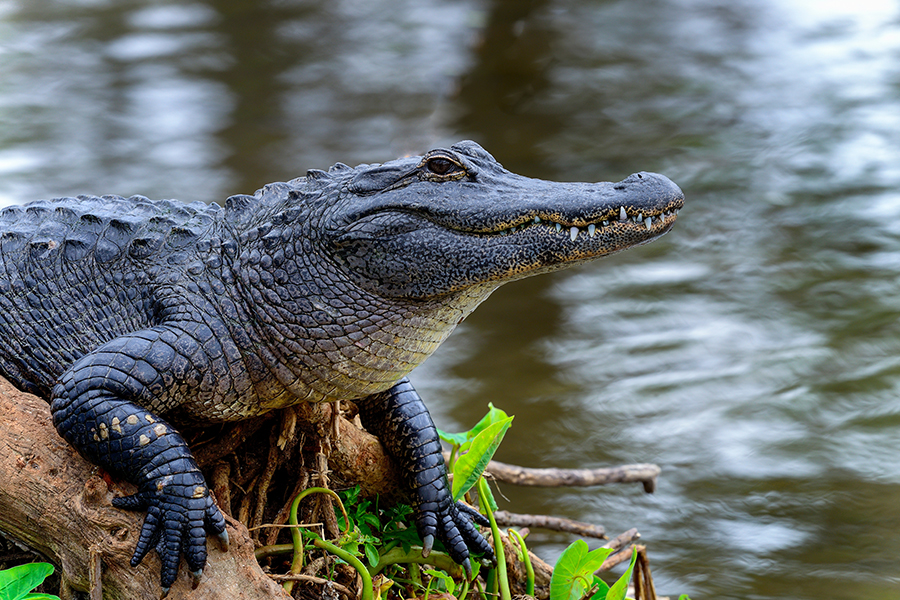
American Alligator
Alligator mississippiensis


These amazing reptiles were once threatened with extinction due to over hunting and loss of habitat. They were placed on the endangered species list which allowed the population to make a full recovery. In Florida, we now have over 1.25 million alligators that call this place home. Alligators play an important role in the ecosystem because they are a Keystone Species. They use their strong tails to dig burrows to nest and keep warm. When the alligator leaves the burrow, it will fill with freshwater and be utilized by other species for drinking water.

American White Ibis
Eudocimus albus


One of the most common birds that you can see in Florida. The white Ibis can be identified by their large, long-legged bodies. Adults have white plumage with red legs and a red bill. Juveniles have patches of white and brown with a pink bill and legs. Ibis are very social birds. They hunt in groups, fly in groups, and nest in large colonies.

Anhinga
Anhinga anhinga
These birds can often be seen swimming in lakes with only their snakelike head poking out above the surface earning it the nickname ‘snake bird’. Unlike most waterbirds, the Anhinga does not have waterproof feathers, that is why it is very common to see them with their wings spread out in the sun allowing them to dry.
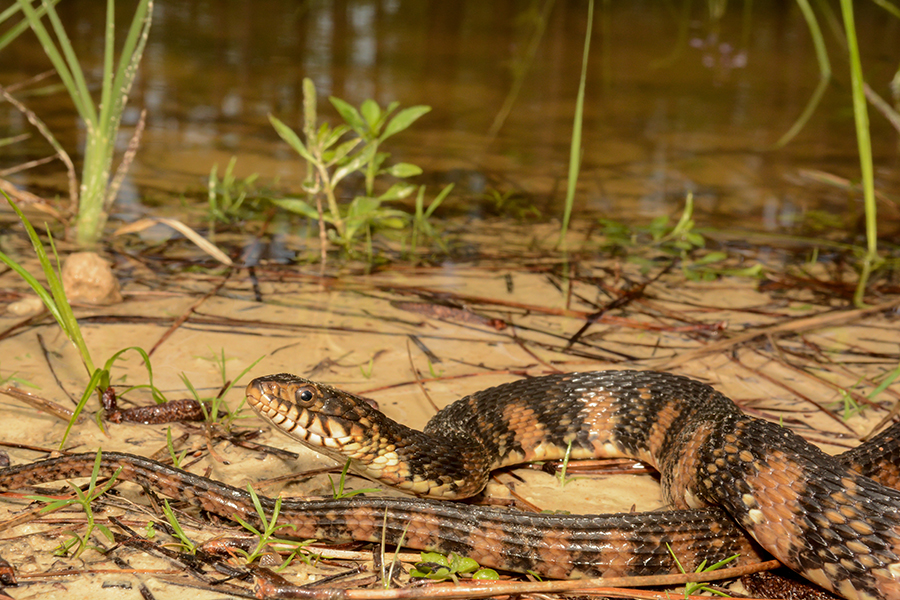
Banded Water Snake
Nerodia fasciata

Most adult Banded Water Snakes are between 22-42 inches. This non-venomous snake can be identified by its thick body and its brown/grayish back with red to dark brown crossbands that extend the entire length of its body. Banded water snakes give LIVE birth to 6-83 young between July and September.
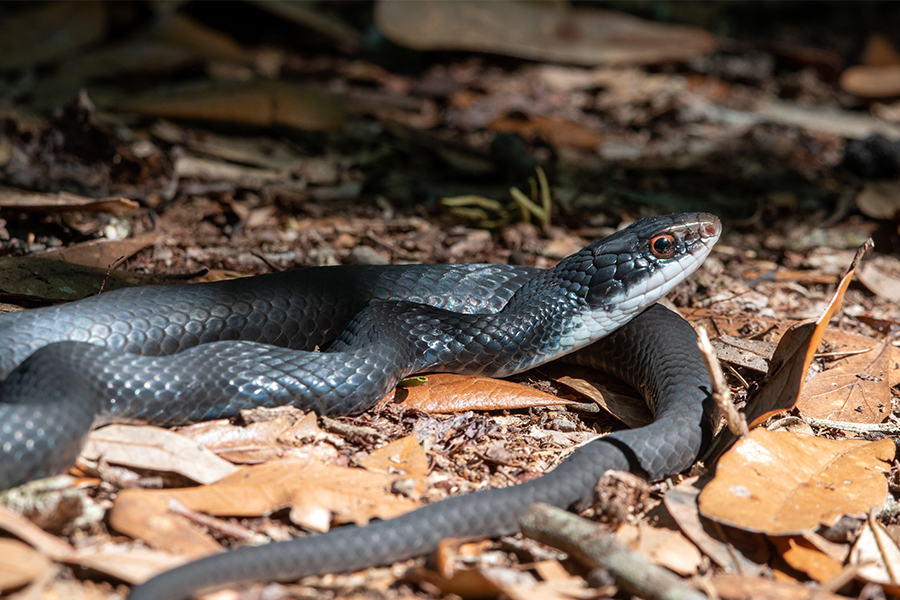
Black Racer
Coluber constrictor priapus


As an adult, this snake can be identified by its black back and white markings on the chin and throat. Juveniles are grey in appearance with reddish-brown markings running down the back of the head and body. These snakes are typically not aggressive unless they feel threatened.

Damselfly
Zygoptera


While the damselfly looks similar to the dragonfly, they are much smaller in appearance. When at rest they will fold their wings whereas dragonflies will hold their wings straight out. Damselflies have a very short lifespan of approximately 1-3 months. Even though their lifespan is very short, they play an important role in the ecosystem by eating many small insects including mosquitos.

Dragonfly
Anisoptera
Dragonflies were some of the first winged insects to evolve approximately 300 million years ago. They can fly straight up and down, hover like a helicopter, mate in mid-air, and eat while flying.
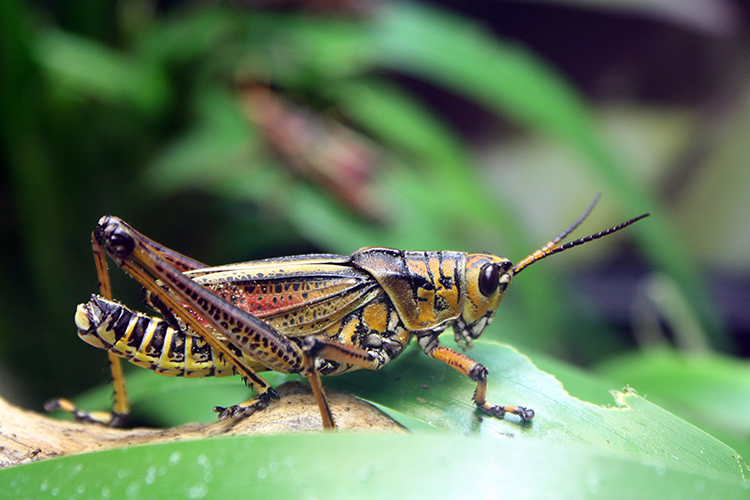
Eastern Lubber Grasshopper
Romalea microptera

The Eastern Lubber Grasshopper is found in the Southeastern United States. Adults are quite colorful with yellow, black, and red patterns. Baby lubbers are all black with a yellow stripe going down their back. To defend themselves from predators, Eastern Lubber Grasshoppers will secrete a toxin that can make anything that tries to eat them vomit.

Florida Box Turtle
Terrapene carolina bauri
Florida Box turtles are rather small in size ranging from 4 to 6 inches. They have a very round, domed shell with a hinge that allows it to completely enclose its body within its shell. The box turtle is one of two terrestrial turtles we have in Florida. They live on land and will only be found soaking in very shallow water for a short period of time, they cannot swim.

Gopher Tortoise
Gopherus polyphemus
Gopher Tortoises are some of the oldest living species on the planet. They are one of two land turtles in Florida meaning they cannot swim. Gopher Tortoises play an extremely important role in the ecosystem because they are a keystone species. They get this title largely due to their burrows. At least 300 other species have been documented using a Gopher Tortoise burrow including the Eastern Indigo snake, Gopher Frog, Florida Mouse, and many more. They use their burrows to shelter from the elements and to escape predators.

Mottled Duck
Anas fulvigula
Mottled ducks are one of the most common types of ducks in Florida. They can be seen in almost any freshwater habitat including rivers, marshes, ponds, and lakes. With the introduction of Mallard ducks in Florida, the Mottled Duck and Mallard have been breeding and producing a hybrid. It is very hard to identify a ‘pure’ Mottled Duck now.

North American River Otter
Lontra canadensis


This water loving mammal is well adapted to living on land and in the water. They can be found in freshwater including rivers, creeks, ponds, lakes, and swamps but have also been spotted in coastal salt marshes. They live in dens called holts that are formed into the edge of a riverbank or under the roots of a tree.
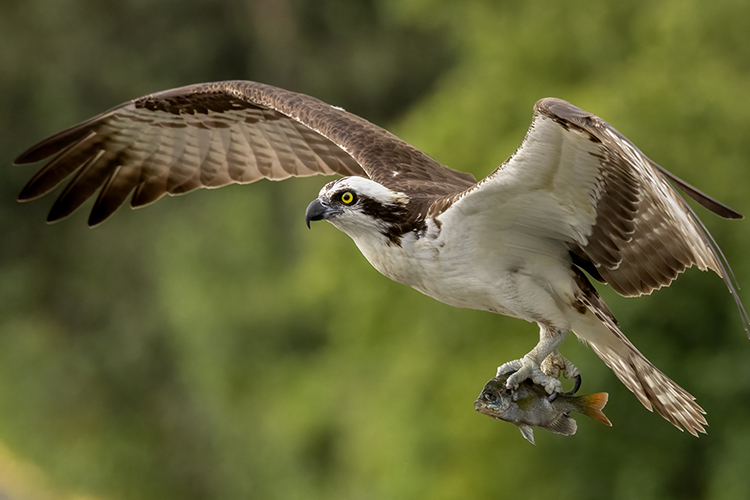
Osprey
Pandion haliaetus
The Osprey is a beautiful bird of prey also known as a Fish Hawk. When flying, it is easy to mistake the Osprey for a Bald Eagle. Ospreys are mostly brown above and white below. When flying, their wings are mostly white with a dark spot near their wrists. Their head is white with a brown stripe on the side. Ospreys can be found anywhere that there is water and fish. They will often nest on manmade structures such as light poles and telephone poles.
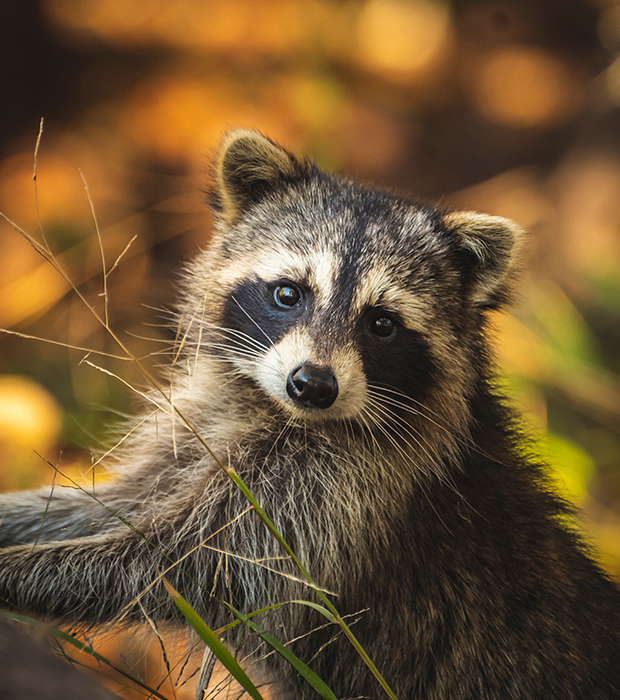
Raccoon
Procyon lotor


Racoons feed on a variety of different foods including fruits, plant material, eggs, small animals, and even garbage which earned them the nickname ‘trash panda.’ They are also excellent swimmers and will hunt fish, frogs, and crayfish. In the wild, the lifespan of a racoon is approximately 1-3 years.
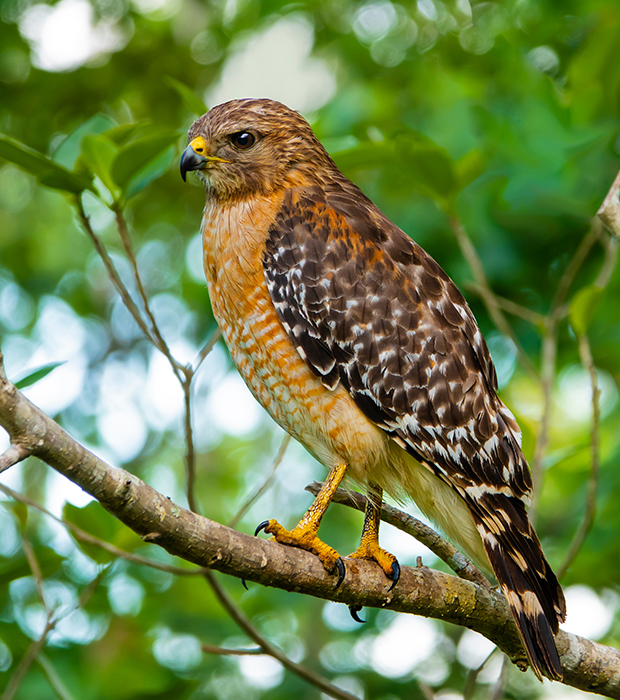
Red-Shoulder Hawk
Buteo lineatus


The Red-Shouldered Hawk gets its name from the reddish-brown patches it has on its shoulders. They are smaller than the Red-Tailed Hawk. They are year-round residents in Florida and play an important role in the ecosystem with what they eat. They will eat just about any small mammal, reptile, large insect, and sometimes even other birds.
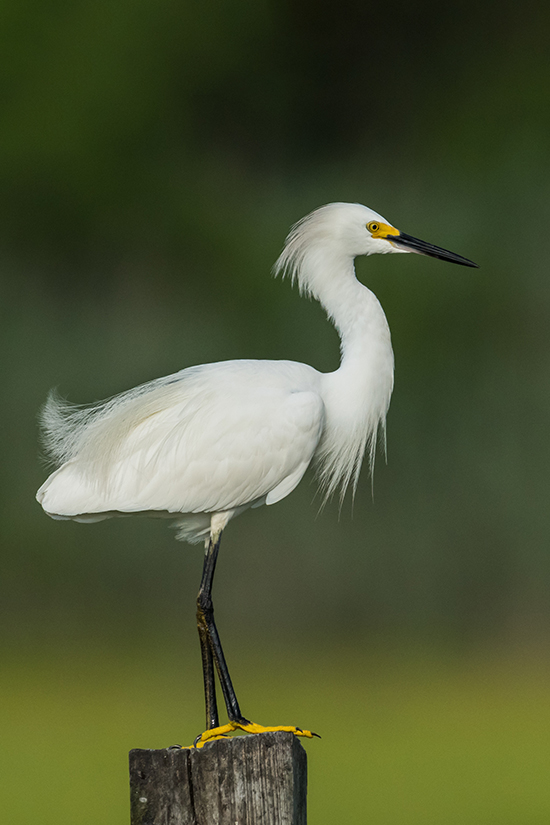
Snowy Egret
Egretta thula
This wading bird can be found in freshwater and saltwater habitats. It has beautiful white plumage covering its body with black legs and bright yellow feet.
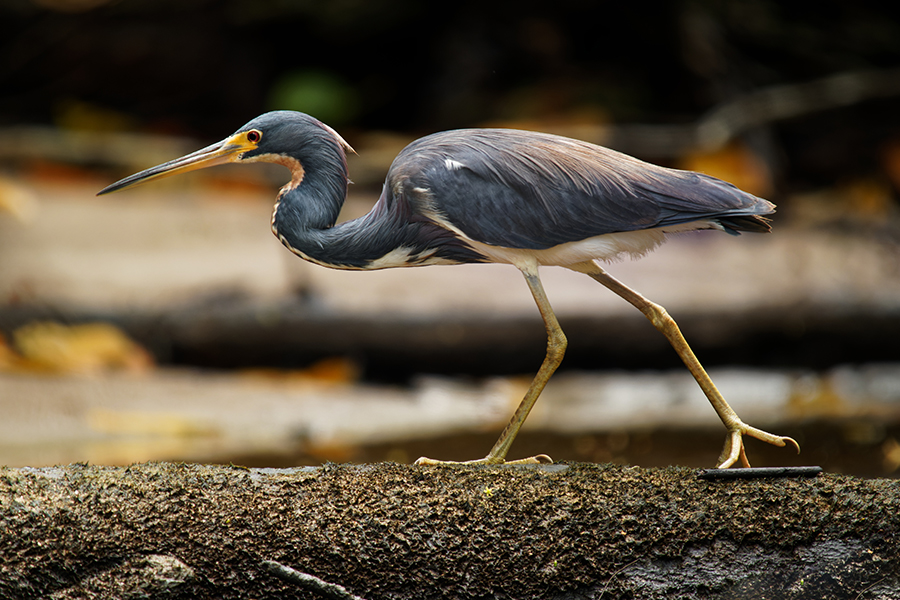
Tricolored Heron
Egretta tricolor
Smaller than the Great Blue Heron, the Tricolored Heron is sleek and slender with 3 main colors: blue-gray, lavender, and white. The white stripe on its neck and belly set it apart from other dark herons. You can find tricolored herons in freshwater and saltwater habitats. They often run, stop, and make quick turns while in search of small fish.

White-Tailed Deer
Odocoileus virginianus
White-tailed deer can be found throughout the state of Florida from the panhandle down to the Florida Keys. It is common to see them in oak hammocks, wetlands, flatwoods, grasslands, and scrub habitats. It is easy to tell males from females. The males, also known as bucks, have antlers, and they grow a new set every year.

Wood Duck
Aix sponsa


Male wood ducks are some of the most recognizable bird species in the United States. Male wood ducks have red eyes and a red bill with a yellow spot at the base. The top of the duck’s head and crest are purple-green in color. Males do not have these markings all year, they use their colorful markings to attract females during mating season which runs from autumn until early summer. Female wood ducks have grey/brown bodies. Their back is dark grey to brown with their sides being a lighter shade. The female’s head is grey with a white ring around each eye.
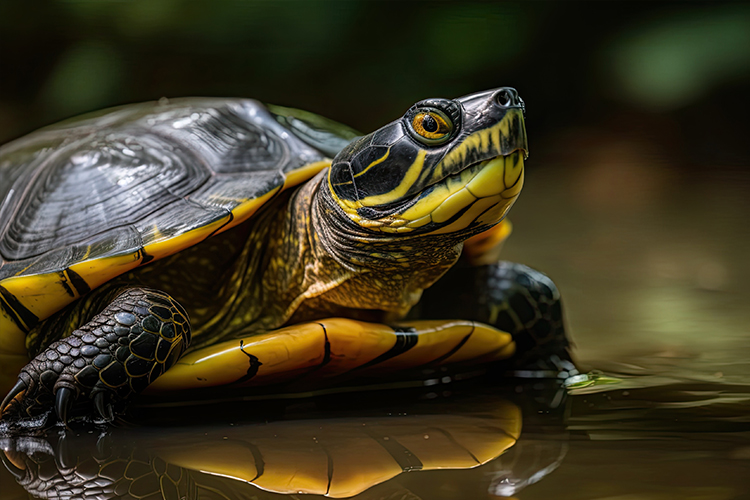
Yellow Belly Slider
Trachemys scripta scripta

Yellow Bellied Sliders can be found throughout the Southeast from Southeast Virginia to northern Florida, and to Texas and Central America. These large semiaquatic turtles spend most of their time in the water except when laying eggs or basking in the sun. Yellow Belly Sliders communicate using touch and vibrations.
American Alligator
Alligator mississippiensis
These amazing reptiles were once threatened with extinction due to over hunting and loss of habitat. They were placed on the endangered species list which allowed the population to make a full recovery. In Florida, we now have over 1.25 million alligators that call this place home. Alligators play an important role in the ecosystem because they are a Keystone Species. They use their strong tails to dig burrows to nest and keep warm. When the alligator leaves the burrow, it will fill with freshwater and be utilized by other species for drinking water.
American White Ibis
Eudocimus albus
One of the most common birds that you can see in Florida. The white Ibis can be identified by their large, long-legged bodies. Adults have white plumage with red legs and a red bill. Juveniles have patches of white and brown with a pink bill and legs. Ibis are very social birds. They hunt in groups, fly in groups, and nest in large colonies.
Anhinga
Anhinga anhinga
These birds can often be seen swimming in lakes with only their snakelike head poking out above the surface earning it the nickname ‘snake bird’. Unlike most waterbirds, the Anhinga does not have waterproof feathers, that is why it is very common to see them with their wings spread out in the sun allowing them to dry.
Banded Water Snake
Nerodia fasciata
Most adult Banded Water Snakes are between 22-42 inches. This non-venomous snake can be identified by its thick body and its brown/grayish back with red to dark brown crossbands that extend the entire length of its body. Banded water snakes give LIVE birth to 6-83 young between July and September.
Damselfly
Zygoptera
While the damselfly looks similar to the dragonfly, they are much smaller in appearance. When at rest they will fold their wings whereas dragonflies will hold their wings straight out. Damselflies have a very short lifespan of approximately 1-3 months. Even though their lifespan is very short, they play an important role in the ecosystem by eating many small insects including mosquitos.
Dragonfly
Anisoptera
Dragonflies were some of the first winged insects to evolve approximately 300 million years ago. They can fly straight up and down, hover like a helicopter, mate in mid-air, and eat while flying.
Mottled Duck
Anas fulvigula
Mottled ducks are one of the most common types of ducks in Florida. They can be seen in almost any freshwater habitat including rivers, marshes, ponds, and lakes. With the introduction of Mallard ducks in Florida, the Mottled Duck and Mallard have been breeding and producing a hybrid. It is very hard to identify a ‘pure’ Mottled Duck now.
North American River Otter
Lontra canadensis
This water loving mammal is well adapted to living on land and in the water. They can be found in freshwater including rivers, creeks, ponds, lakes, and swamps but have also been spotted in coastal salt marshes. They live in dens called holts that are formed into the edge of a riverbank or under the roots of a tree.
Osprey
Pandion haliaetus
The Osprey is a beautiful bird of prey also known as a Fish Hawk. When flying, it is easy to mistake the Osprey for a Bald Eagle. Ospreys are mostly brown above and white below. When flying, their wings are mostly white with a dark spot near their wrists. Their head is white with a brown stripe on the side. Ospreys can be found anywhere that there is water and fish. They will often nest on manmade structures such as light poles and telephone poles.
Snowy Egret
Egretta thula
This wading bird can be found in freshwater and saltwater habitats. It has beautiful white plumage covering its body with black legs and bright yellow feet.
Tricolored Heron
Egretta tricolor
Smaller than the Great Blue Heron, the Tricolored Heron is sleek and slender with 3 main colors: blue-gray, lavender, and white. The white stripe on its neck and belly set it apart from other dark herons. You can find tricolored herons in freshwater and saltwater habitats. They often run, stop, and make quick turns while in search of small fish.
Wood Duck
Aix sponsa
Male wood ducks are some of the most recognizable bird species in the United States. Male wood ducks have red eyes and a red bill with a yellow spot at the base. The top of the duck’s head and crest are purple-green in color. Males do not have these markings all year, they use their colorful markings to attract females during mating season which runs from autumn until early summer. Female wood ducks have grey/brown bodies. Their back is dark grey to brown with their sides being a lighter shade. The female’s head is grey with a white ring around each eye.
Yellow Belly Slider
Trachemys scripta scripta
Yellow Bellied Sliders can be found throughout the Southeast from Southeast Virginia to northern Florida, and to Texas and Central America. These large semiaquatic turtles spend most of their time in the water except when laying eggs or basking in the sun. Yellow Belly Sliders communicate using touch and vibrations.
Black Racer
Coluber constrictor priapus
As an adult, this snake can be identified by its black back and white markings on the chin and throat. Juveniles are grey in appearance with reddish-brown markings running down the back of the head and body. These snakes are typically not aggressive unless they feel threatened.
Damselfly
Zygoptera
While the damselfly looks similar to the dragonfly, they are much smaller in appearance. When at rest they will fold their wings whereas dragonflies will hold their wings straight out. Damselflies have a very short lifespan of approximately 1-3 months. Even though their lifespan is very short, they play an important role in the ecosystem by eating many small insects including mosquitos.
Dragonfly
Anisoptera
Dragonflies were some of the first winged insects to evolve approximately 300 million years ago. They can fly straight up and down, hover like a helicopter, mate in mid-air, and eat while flying.
Eastern Lubber Grasshopper
Romalea microptera
The Eastern Lubber Grasshopper is found in the Southeastern United States. Adults are quite colorful with yellow, black, and red patterns. Baby lubbers are all black with a yellow stripe going down their back. To defend themselves from predators, Eastern Lubber Grasshoppers will secrete a toxin that can make anything that tries to eat them vomit.
Raccoon
Procyon lotor
Racoons feed on a variety of different foods including fruits, plant material, eggs, small animals, and even garbage which earned them the nickname ‘trash panda.’ They are also excellent swimmers and will hunt fish, frogs, and crayfish. In the wild, the lifespan of a racoon is approximately 1-3 years.
Red-Shoulder Hawk
Buteo lineatus
The Red-Shouldered Hawk gets its name from the reddish-brown patches it has on its shoulders. They are smaller than the Red-Tailed Hawk. They are year-round residents in Florida and play an important role in the ecosystem with what they eat. They will eat just about any small mammal, reptile, large insect, and sometimes even other birds.
White-Tailed Deer
Odocoileus virginianus
White-tailed deer can be found throughout the state of Florida from the panhandle down to the Florida Keys. It is common to see them in oak hammocks, wetlands, flatwoods, grasslands, and scrub habitats. It is easy to tell males from females. The males, also known as bucks, have antlers, and they grow a new set every year.
Black Racer
Coluber constrictor priapus
As an adult, this snake can be identified by its black back and white markings on the chin and throat. Juveniles are grey in appearance with reddish-brown markings running down the back of the head and body. These snakes are typically not aggressive unless they feel threatened.
Eastern Lubber Grasshopper
Romalea microptera
The Eastern Lubber Grasshopper is found in the Southeastern United States. Adults are quite colorful with yellow, black, and red patterns. Baby lubbers are all black with a yellow stripe going down their back. To defend themselves from predators, Eastern Lubber Grasshoppers will secrete a toxin that can make anything that tries to eat them vomit.
Florida Box Turtle
Terrapene carolina bauri
Florida Box turtles are rather small in size ranging from 4 to 6 inches. They have a very round, domed shell with a hinge that allows it to completely enclose its body within its shell. The box turtle is one of two terrestrial turtles we have in Florida. They live on land and will only be found soaking in very shallow water for a short period of time, they cannot swim.
Gopher Tortoise
Gopherus polyphemus
Gopher Tortoises are some of the oldest living species on the planet. They are one of two land turtles in Florida meaning they cannot swim. Gopher Tortoises play an extremely important role in the ecosystem because they are a keystone species. They get this title largely due to their burrows. At least 300 other species have been documented using a Gopher Tortoise burrow including the Eastern Indigo snake, Gopher Frog, Florida Mouse, and many more. They use their burrows to shelter from the elements and to escape predators.
Raccoon
Procyon lotor
Racoons feed on a variety of different foods including fruits, plant material, eggs, small animals, and even garbage which earned them the nickname ‘trash panda.’ They are also excellent swimmers and will hunt fish, frogs, and crayfish. In the wild, the lifespan of a racoon is approximately 1-3 years.
Red-Shoulder Hawk
Buteo lineatus
The Red-Shouldered Hawk gets its name from the reddish-brown patches it has on its shoulders. They are smaller than the Red-Tailed Hawk. They are year-round residents in Florida and play an important role in the ecosystem with what they eat. They will eat just about any small mammal, reptile, large insect, and sometimes even other birds.
White-Tailed Deer
Odocoileus virginianus
White-tailed deer can be found throughout the state of Florida from the panhandle down to the Florida Keys. It is common to see them in oak hammocks, wetlands, flatwoods, grasslands, and scrub habitats. It is easy to tell males from females. The males, also known as bucks, have antlers, and they grow a new set every year.