by csfteam | Jan 29, 2024 | Insects, Native, Wetland
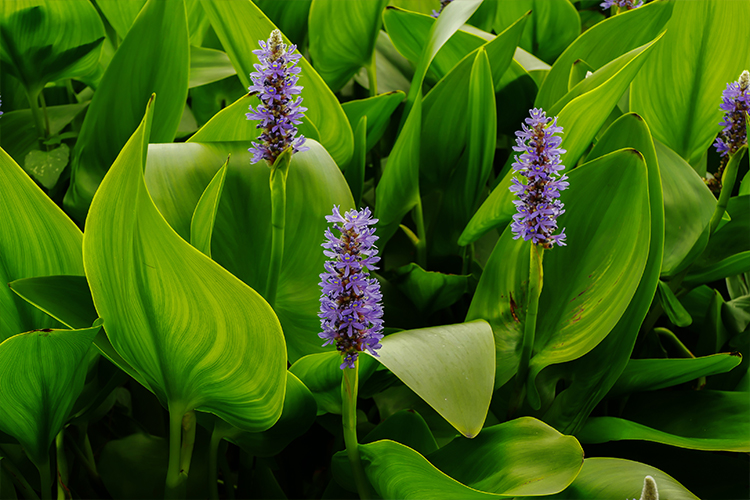
Pontederia cordata This aquatic plant can easily be identified by its purple cone shaped flower and lance shaped leaves. It thrives in shallow waters. It is a food source for ducks. Butterflies and bees are also attracted to this plant. It’s a great habitat for...
by csfteam | Jan 29, 2024 | Insects, Native, Upland
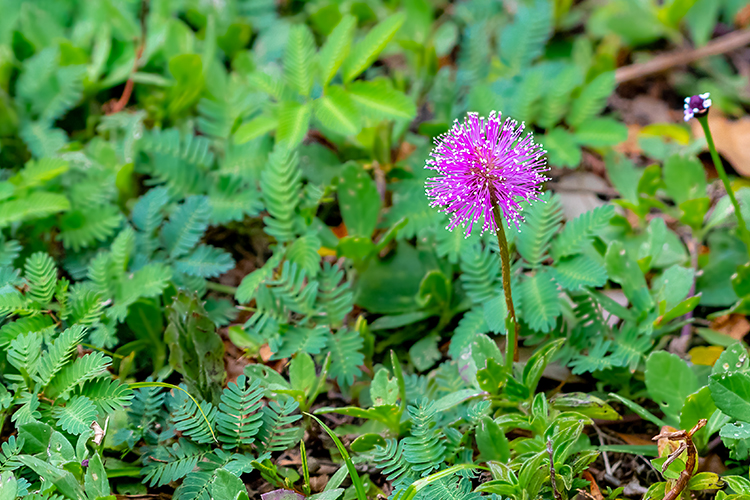
Mimosa strigillosa This hot pink flowering plant is touch sensitive! Its leaves will close shut when touched, giving it a nickname as the “tickle plant”. This process is known as thigmotropism. Mimosa strigillosa is a host plant for the Little Sulphur Butterfly. Deer...

by csfteam | Jan 29, 2024 | Native, Upland
Pinus palustris This pine tree has long pine needles. It produces some of the largest pinecones in eastern North America. The endangered red-cockaded woodpecker loves to build its nest in mature tree cavities. Habitat loss of large, long leaf pine groves is a concern...

by csfteam | Jan 29, 2024 | Hammock, Insects, Native, Wetland
Acer rubrum distichum This native tree, also known as “swamp maple”, has leaves that turn a beautiful range of red colors during the fall and winter season in Florida. The seeds are a food source mainly for squirrels. The tree is a host plant for various moths such as...

by csfteam | Jan 29, 2024 | Insects, Native, Wetland
Saururus cernuus This aquatic plant produces a bunch of tiny white fragrant flowers that grow on a curved stalk that resembles the look of a lizards’ tail. Wood Ducks and some birds use this plant as a food source. It also provides nectar for insects and the...