by csfteam | Jan 29, 2024 | Hammock, Insects, Native, Upland, Wetland
Magnolia grandiflora This plant is not a moss; it is an epiphyte, an air plant. It can be found draped in the large branches of Live Oak Trees bearing the resembles of an old man’s beard. It has scales that are permeable to water and nutrients. Many insects use...

by csfteam | Jan 29, 2024 | Insects, Native, Upland
Magnolia grandiflora The Southern Magnolia tree is noted for its broad waxy leaves and fragrant white blossoms. They also have a distinct seed cone with fuzzy red seeds. These seeds are a food source for squirrels, opossums, and turkey. Beetles are attracted to...
by csfteam | Jan 29, 2024 | Hammock, Insects, Native, Upland
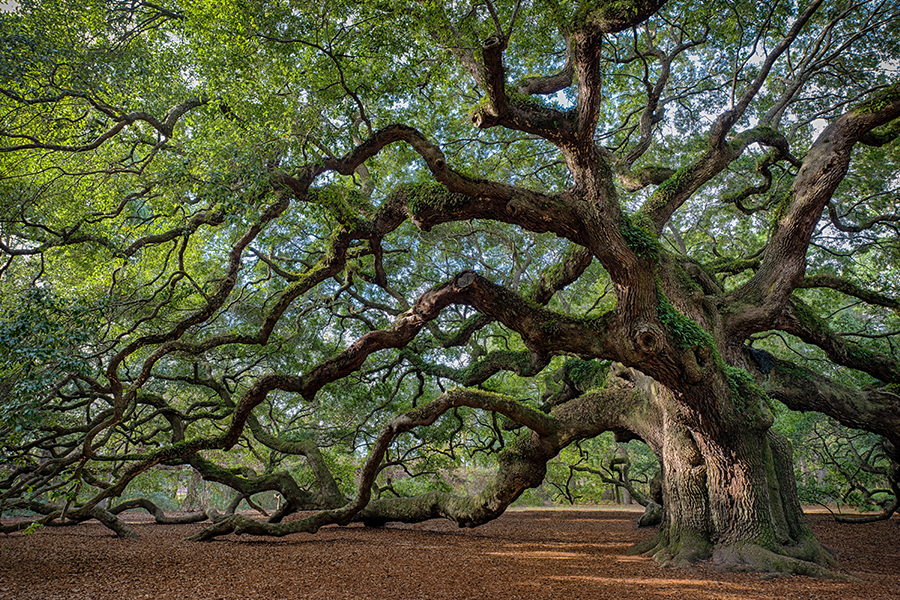
Quercus virginiana The Southern Live Oak tree is a majestic tree that has a very large trunk and known for its curving branches. Live Oaks are a hard wood, and many can live well over 250 years. Squirrels and birds use this tree for habitat. Acorns are a food source...
by csfteam | Jan 29, 2024 | Hammock, Insects, Native, Upland, Wetland
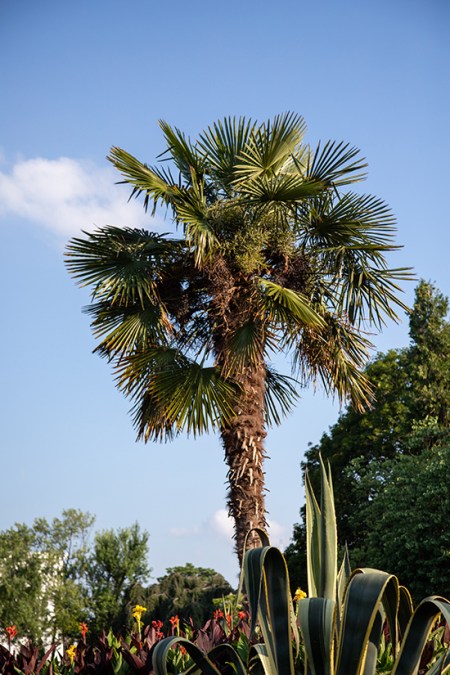
Sabal palmetto The Sabal Palmetto is the Florida State Tree. It is commonly called the “cabbage palm”. Interestingly, it is not a true tree and is considered a grass because it has no branches or woody trunk. It is a roosting habitat for Yellow Bats. Seeds are...
by csfteam | Jan 29, 2024 | Insects, Native, Upland
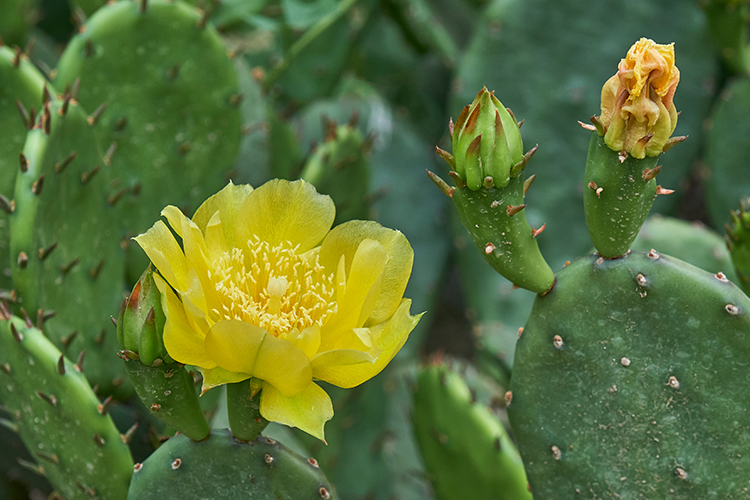
Opuntia spp. This cactus has spiny pear-shaped fruit that gopher tortoises love to eat. Its flower is large and yellow. Gopher tortoises feed on the pads and fruit. It is also a nectar plant for Meske’s Slipper Butterflies.
by csfteam | Jan 29, 2024 | Insects, Native, Upland
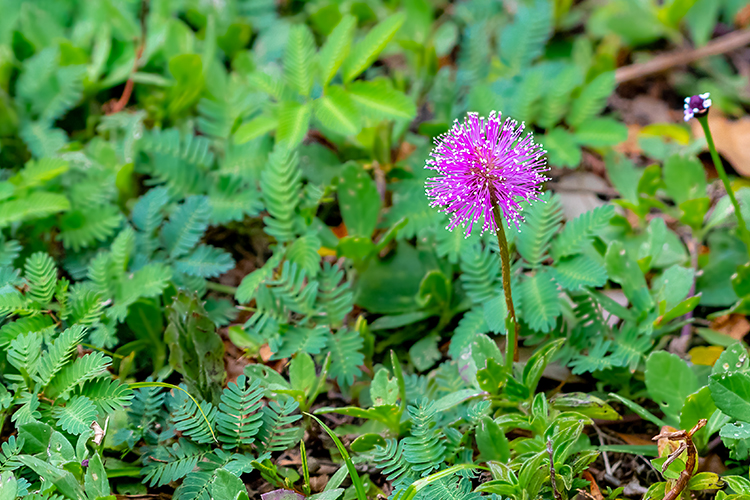
Mimosa strigillosa This hot pink flowering plant is touch sensitive! Its leaves will close shut when touched, giving it a nickname as the “tickle plant”. This process is known as thigmotropism. Mimosa strigillosa is a host plant for the Little Sulphur Butterfly. Deer...