by csfteam | Jan 29, 2024 | Hammock, Insects, Native, Upland, Wetland
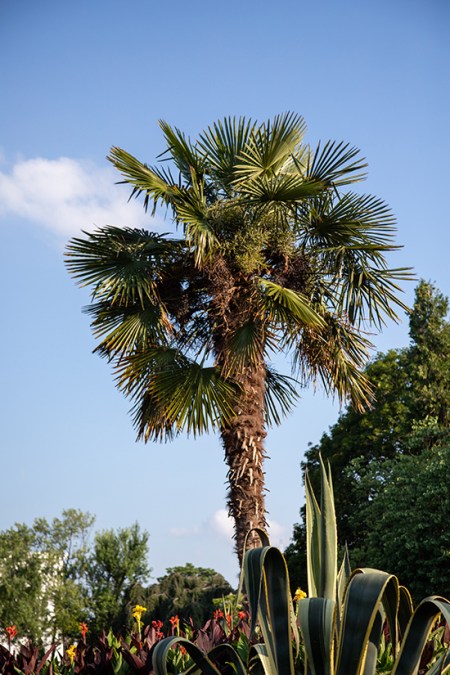
Sabal palmetto The Sabal Palmetto is the Florida State Tree. It is commonly called the “cabbage palm”. Interestingly, it is not a true tree and is considered a grass because it has no branches or woody trunk. It is a roosting habitat for Yellow Bats. Seeds are...
by csfteam | Jan 29, 2024 | Insects, Native, Upland
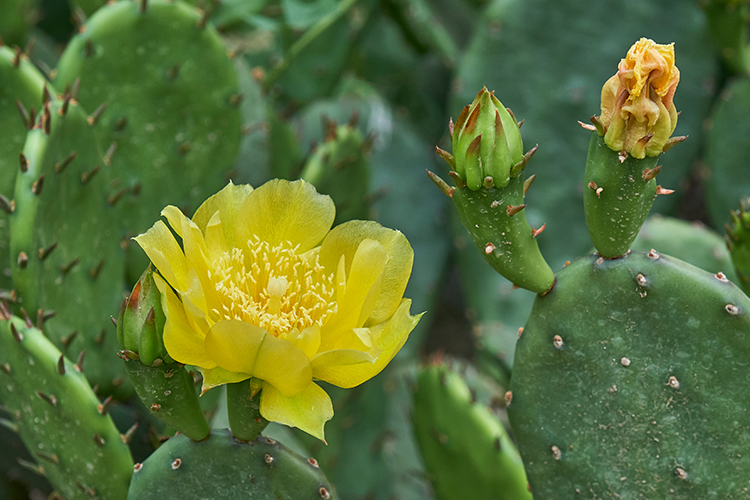
Opuntia spp. This cactus has spiny pear-shaped fruit that gopher tortoises love to eat. Its flower is large and yellow. Gopher tortoises feed on the pads and fruit. It is also a nectar plant for Meske’s Slipper Butterflies.
by csfteam | Jan 29, 2024 | Hammock, Insects, Native, Wetland
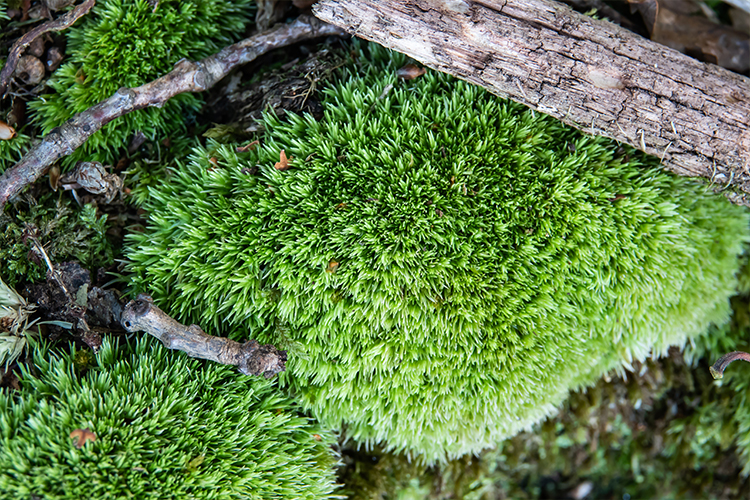
Leucobryum albidum This moss is enchanting and feels spongy to the touch when moisture is available. It can also be called carpet moss because it can blanket the forest floor like a carpet. Some small animals will look under the moss for insects. It also provides...
by csfteam | Jan 29, 2024 | Insects, Native, Wetland
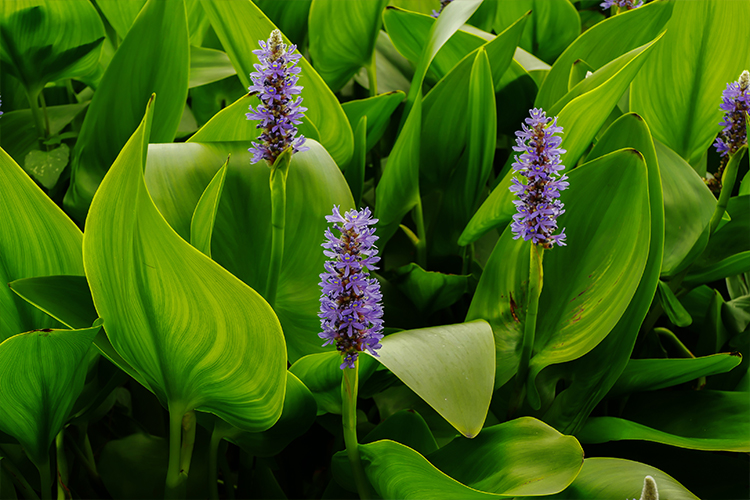
Pontederia cordata This aquatic plant can easily be identified by its purple cone shaped flower and lance shaped leaves. It thrives in shallow waters. It is a food source for ducks. Butterflies and bees are also attracted to this plant. It’s a great habitat for...
by csfteam | Jan 29, 2024 | Insects, Native, Upland
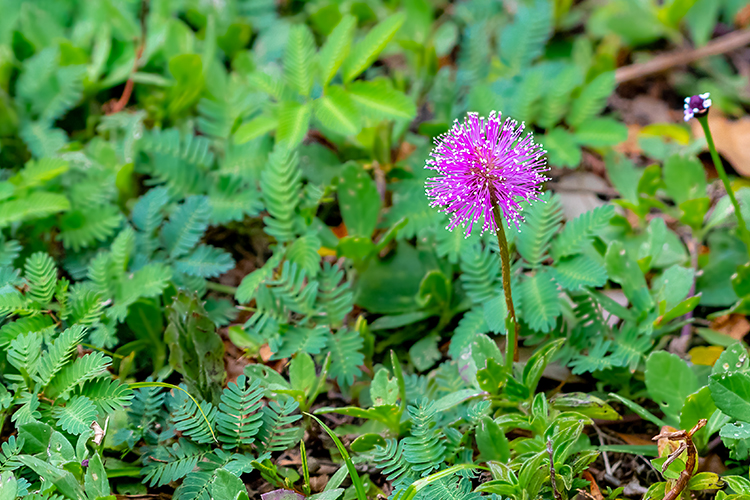
Mimosa strigillosa This hot pink flowering plant is touch sensitive! Its leaves will close shut when touched, giving it a nickname as the “tickle plant”. This process is known as thigmotropism. Mimosa strigillosa is a host plant for the Little Sulphur Butterfly. Deer...

by csfteam | Jan 29, 2024 | Native, Upland
Pinus palustris This pine tree has long pine needles. It produces some of the largest pinecones in eastern North America. The endangered red-cockaded woodpecker loves to build its nest in mature tree cavities. Habitat loss of large, long leaf pine groves is a concern...